

Top upcoming residential projects in Pune for 2026: best locations, prices and investment potential
Pune sold more than 80,000 homes in 2025, and 2026 looks just as busy. If you have started looking at upcoming residential projects in Pune, you have probably hit the same three questions everyone does. Where should you buy? What will it cost? And will it hold its value?
This guide goes through all three, area by area, with real prices for each part of the city.
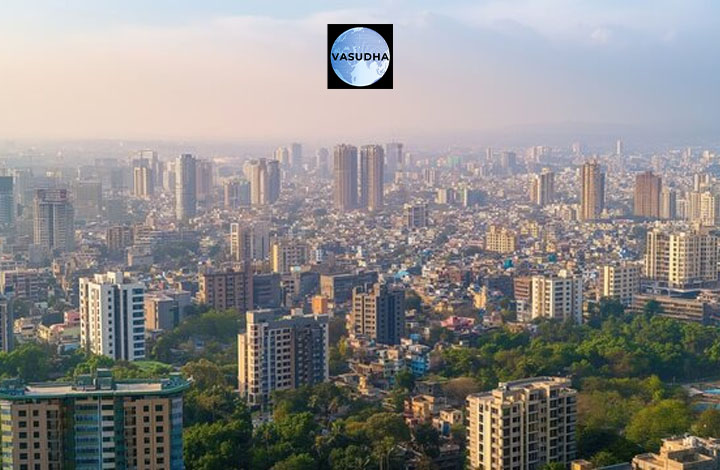
Quick takeaways
- West Pune (Baner, Wakad, Hinjewadi, Balewadi) and East Pune (Kharadi, Viman Nagar, Wagholi) have most of the new residential projects in Pune.
- Prices range from about 6,500 rupees a square foot in PCMC areas to 22,000 and up in premium central and east Pune.
- Price growth in 2026 should be slower, around 5 to 10 percent, which suits people buying a home to live in.
- The Metro, the Ring Road and the IT job belt are the main things pushing prices up.
Where should you actually look?
Most of the building right now is in West and East Pune, close to the IT parks, with PCMC giving you more home for your money.
West Pune is the biggest cluster. It grew up around the Hinjewadi IT park, so it is full of working families and renters. Baner, Balewadi and Aundh are the smart but pricier picks, with good roads, schools and shops nearby. Just next door, Wakad and Tathawade cost less, which is why younger buyers like them. Together with Kharadi, these areas handle a big share of all the homes sold in the city.
On the east side, Kharadi, Viman Nagar and Kalyani Nagar are the old favourites. They sit near the airport and the big office parks, so they rent out easily. If those feel too costly, Wagholi and the roads around it are a cheaper way into the same job belt, and plenty of new projects are coming up there.
PCMC, up north, is the value story of the year. Ravet, Punawale, Moshi and Chikhali cost less than the western suburbs, the roads keep getting better, and tenants are easy to find. For a first home or a buy-to-rent, this belt is worth a close look.
Central Pune, places like Erandwane, Prabhat Road and Model Colony, never really goes out of style. The catch is space. There is barely any land left to build on, so most new flats here come from pulling down old buildings and putting up new ones.
What do new flats cost?
A few shifts are worth knowing about.
Prices swing a lot by area, so it helps to think in ranges. Here is roughly what new homes go for, per square foot:
- PCMC areas like Ravet, Nigdi and parts of Moshi: about 6,500 to 9,000 rupees
- IT-corridor suburbs like Wakad, Tathawade, Hinjewadi and Bavdhan: about 8,500 to 11,500 rupees
- Premium West Pune, meaning Baner, Balewadi and Aundh: around 9,000 to 13,000 rupees
- The top areas like Kharadi, Koregaon Park, Erandwane and Prabhat Road: 13,000 to 22,000 rupees, and more for big-name projects
The citywide average is tipped to cross 8,000 rupees a square foot this year. One thing to know: builders have mostly stopped making flats under 45 lakh rupees, so even the cheapest new homes cost more than they used to.
Are these homes a good investment?
Yes, as long as you go in with the right expectations. Most people buying in Pune want a place to live, so prices stay fairly steady even when sales slow down.
A few simple things push values up. Jobs matter most. The closer a home is to the Hinjewadi, Kharadi or Magarpatta offices, the easier it is to sell or rent later. The Metro counts too. As its first phase finishes through 2026, flats near stations should climb faster than the rest. The new Ring Road and the planned Purandar airport are opening up the edges of the city, where early buyers might do well in a few years.
Rent is another plus. Pune pays landlords better than Mumbai. Yields here sit near 3 to 4 percent, and parts of PCMC like Ravet have touched 4.3 percent, against about 2.5 percent in Mumbai.
Just remember that prices this year should grow slowly, around 5 to 10 percent. So buying to live in, or to hold for a few years, is the safer move than trying to flip fast.
What kind of project suits you?
Most launches fall into three groups. Big townships, mostly in the west and in PCMC, come with their own shops, schools and gardens, so families who want everything inside the gate tend to love them. Smaller premium projects, common in east and central Pune, give you location and finish over sheer size. And in the older central pockets, redevelopment projects hand you a brand new flat in a settled, well-known area. Whichever one you pick, the checks before buying are the same.
Before you sign anything
Run through this quick list before you commit:
- Check that the project is registered with MahaRERA, then read its page properly.
- Look up the builder's past work and whether they finished on time.
- Get the handover date in writing, with what happens if it slips.
- Compare flats on carpet area, since the super built-up figure is always bigger.
- Add up everything: stamp duty, registration, GST where it applies, parking. The sticker price is never the full price.
So, where do you start?
Pune in 2026 has something at almost every budget. The west and east win on jobs and lifestyle, PCMC wins on price, and the old central areas keep their charm. The simplest way in is to start with how you want to live, pick the area that fits, then compare a few projects on price, build quality and whether the builder actually delivers on time.
At Vasudha Realty, we help buyers and local societies work through exactly these calls. If you are just starting out, knowing the areas and prices above already puts you ahead of most first-time buyers.
Frequently asked questions
FAQs
West Pune (Baner, Wakad, Hinjewadi, Balewadi) and East Pune (Kharadi, Viman Nagar, Wagholi) have the most, mainly because of the IT jobs nearby. For better prices, look at PCMC areas like Ravet and Punawale.
It depends on the area. New homes run from about 6,500 rupees a square foot in PCMC to 22,000 and up in the top central and east Pune spots. The citywide average is expected to cross 8,000.
For people buying somewhere to live or to hold for a few years, yes. Prices are growing more slowly now, around 5 to 10 percent a year, and the market runs on real home buyers.
Most likely, yes. Flats within walking distance of a station should see stronger price growth as the first phase is finished through 2026.
PCMC areas like Ravet lead, with yields around 4 percent or more. The city sits near 3 to 4 percent, while Mumbai is closer to 2.5 percent. Homes near IT parks rent out fastest.
Check the MahaRERA registration, the builder's track record, and the written handover date. Compare carpet area, and add all the extra charges so you know the real cost.
They can be, mostly for the location, since they sit in older, settled areas. Just check the builder's record and MahaRERA status, like you would for any project.
Picking a developer is really picking a partner. You're trusting them with one of the biggest purchases of your life. So take your time.
At Vasudha Realty, we work with families every week who are trying to make this exact decision. Our job is to make it easier. Whether you're looking at premium homes near NIBM Road or a new launch elsewhere in the city, we help you compare, shortlist, and decide without the noise.
The best builders aren't the loudest. They're the ones who keep delivering quietly, year after year. Find one of those, and the rest takes care of itself.